

Published August 26, 2019
Building Bellingham Episode 1: Jesse Nelson - Overflow Taps
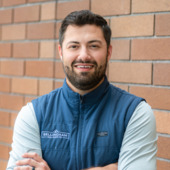
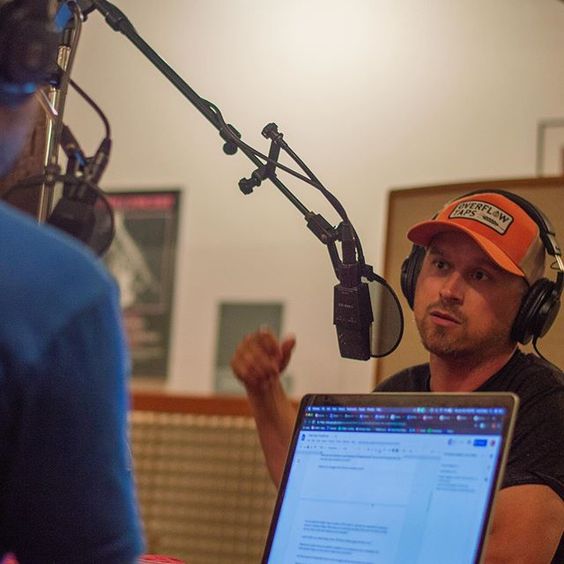
Jesse Nelson, co-founder and CEO of Overflow Taps, joins Leo to discuss his journey from hearing no to saying yes. He tells the story of opening two taphouses in Whatcom County, and the training process, recharging strategies, and strict Monday routine that he’s developed along the way.
This debut episode is a must-listen for aspiring leaders. While he rarely addresses the concept of leadership directly, Jesse is constantly referring to principles that entrepreneurs and business managers - or really anyone aspiring to take ownership of their career - should consider.
Building Bellingham is hosted by Leo Cohen of the Cohen Group NW. Each month, he sits down with an entrepreneur in our community, to learn how they overcame challenges, and what they’re learning along the way. The conversations get personal, and get real, and get practical for those who aspire to leadership and building into their own community.
It’s a Mindset
Jesse gave us a quick rundown on his history - he spent four years in the Navy and was employed by the Washington State Department of Corrections. Later he met his now-wife, Kristin, and moved to Lynden.
In growing up years, and also in the workplace, Jesse was used to hearing ‘no’. Creativity wasn’t valued, and failure was not an option.
“My entire life was ‘No no no no no’. Can I go do this? No. Like any idea I have - No.”
He credits his wife’s family as being the first significant place where he could explore part of his nature that had, until this point, been stunted. Jesse’s wife comes from a lineage of entrepreneurship. Talking business - the successes and the failures - was an open conversation, and forthe first time, Jesse had an environment where his natural creativity and curious mindset could blossom.
“When I was a kid, I wasn’t allowed to fail. Like, failure was a no go. And now I’m around people saying it’s okay to fail. . . it’s nice to, within myself, be able to go about my life not worrying EVER about failure. That’s a whole different game right there.”
Startup Hurdles
Jesse told us the story of how Overflow Taps began in Lynden, with dual concerns right from the start:
- Would a long-standing traditional community accept a seven-days-a-week taphouse?
- Would banks lend the startup capital for a business that gives away twenty-five cents a pint to charity?
The second question received a quicker answer. Three banks turned Jesse and his partners down for those very reasons: they didn’t think craft beer would do well in Lynden, and they didn’t accept the business model that included giving away revenue from the start.
But by this point, the business partners were already looking into alternate financing options. Go Fund Me, peer-to-peer lending, selling merchandise & lifetime membership plans, dipping into 401ks - these were all options on the table.
“The issue with banks, typically, is they’re looking at a project and investing in a project, and usually it’s data-driven. So they look at your numbers and are like, “I don’t think this is really going to work.” But, private investors, or peer to peer loans, or Go Fund Me: those people are investing in a concept, but more importantly, they’re investing in people.”
The team scraped together $50-60k in startup capital, and the taphouse opened in Lynden - on a Sunday - in February of 2016. There weren’t any employees at first - just Adam, Jesse, and Josh putting in 60-hour workweeks doing everything from bartending to ordering to accounting.
At this point, all three were working in the business, and also working on the business. And Jesse sees this stage as valuable, that working in the business gives you perspective on the jobs and responsibilities themselves, and also on customers - knowing that key customer base and building relationships with the surrounding community.
Over time, the partners were able to hire on staff, which allowed them to work more on the business itself. Jesse added on social media marketing, community marketing, and developed what his job would be as CEO. Adam continued focusing on the financials and grew his management skills as CFO and COO. Eventually they hired on an event planner and the business became centered around events. Now they also have a podcast: the Overflow Taps Craft Beer Experience.
Expansion Pains: Internal Growth
Jesse talked about the difficulty of knowing exactly when to hire new help.
“You can do it too soon, and that’s the struggle you play with. That’s the fine line. But ultimately you’ve go to hire those things out so you can help the business grow. That’s where a lot of small businesses fail.”
Training is in itself a difficult process - to train someone properly, you need to do their job with them for a time until you can truly hand it off. Jesse addressed the inherent ego and control issue with needing to let go of something that an entrepreneur is rightfully proud of achieving and accomplishing.
“Recognize that even If a person is doing 80% as well as I think I can do it, that’s better than me spending 100% of my time doing it.”
Jesse reframed how he thought of this handoff point. It’s not about the entrepreneur’s ego; it’s about what’s best for the company - and for the employee you’re handing off responsibility to.
“As soon as I can see it as investing in her future, then it’s like, okay, I’m ready to give this away…. It’s not easy; you have to be really self aware. A lot of people don’t recognize that they have an ego, or don’t want to let something go because of fear.”
Productivity & People
Many entrepreneurs have a morning routine that sets them up for success, and many also plan the week in advance. In Jesse’s world, this planning goes as far as blocking off nearly an entire day to plan the rest of the week - all his appointments, meetings, and projects:
“Monday is the day that I take myself and get organized for the entire week, and nothing can really interrupt me during that timeframe… .There’s nothing that I let creep in that I didn’t already define on Monday...so if something comes to me, it goes in like a little inbox on my desk….Usually the first five hours of Monday morning I’m processing all of that inbox stuff.... By the time Tuesday morning rolls around, I know exactly what needs to get done for the week….The more I’m focused on that Monday, and getting super organized for the week, and assigning next actions for all of my projects, the better my week is. And all I’m trying to do is win each day.”
Leo and Jesse continued to discuss macro wins - like opening a new location, and micro wins - like lowering the cost-per-thousand views for a Facebook ad. Along the way, the conversation took a turn to the need to recharge. A leader has so many demands on their time, that recharging at the end of the day (or sometimes taking a mini-reset in the middle of it) is necessary to maintain that hyper focus on the job at hand.
For Jesse, recharging is getting out of his home office and away from his computer screen and interacting with people. Whether it’s going to Woods to chat it up with strangers, or bumping up a coffee meeting, he engages with another human to get re-inspired and re-energized. This self-awareness is important; for some of us, we need a solo bike ride on Galbraith; for others, some sunshine and a good book.
Speaking of interacting with people, Jesse’s favorite quote is “you’re the average of the five people you surround yourself with.” He talked about the importance of choosing the best influences for your personal growth, and also recognizing that those best influences might change over time, with the different needs of different seasons.
“[You] become a product of your surroundings, so it’s important to surround yourself with people who are going to make you better.”
Expansion to Barkley Village
The first Overflow Taps opened in 2016, and was profitable right away, albeit with the owners working crazy hours to make it all happen. As it stabilized, Jesse and company began planning for a second location, this time thirty minutes south in the heart of Bellingham’s Barkley Village business district. With a longer-term plan to open a third location soon after, the owners tried to open the Barkley Village branch with little owner presence.
This was a mistake.
You see, two of the three founders were longtime locals, and Jesse married into a Lynden family. The community is tight-knit, and this taphouse would be the first of its kind in the town (unlike the much more varied craft brew options in Bellingham). Also, the founders had set up focus groups to prep for the new business, and raised both start-up capital and awareness prior to the taphouse actually opening. Lastly, with a strong ownership presence behind the bar, the brand of Overflow Taps was strong - and well communicated - right from the start.
“We thought our brand was stronger in Bellingham than what it actually was. And Barkley Village started off really slow because of that decision. So we decided not to open up a third location, and really focus on building a community, which is what our strength is, in Barkley Village, similar to what we’ve done in Lynden. It’s taken longer, but it’s getting there.”
Branding
The conversation Jesse and Leo had about branding is, in this blogger’s humble opinion, the most dynamite part of the entire conversation. Jesse goes into the effects of brand awareness during an economic downturn, customer loyalty, and the value of a company’s brand aside from their actual revenue. He also talks about the pain entrepreneurs experience when they invest in brand rather than, say, a new beer cooler or another piece of business infrastructure.
For Overflow Taps, the brand is king. Their brand is creating community around a glass of beer, whether it’s neighbors gathering after work, strangers playing board games, locals coming to one of the taphouse’s many events, or just someone choosing this pub over another because of the larger mission - bringing clean water to the millions of Earth’s population that do not currently have access.
“It’s basically like if I’m trying to sell you a pint, that’s not brand, that’s sales….It’s hard to focus on those things when you know that selling the pint makes you the money.
But if you can sell without selling, that’s brand.”
It’s a choice to invest in the longterm rather than an immediate paycheck, and over time creating a relational, rather than transactional, business.
The last question Leo posed to Jesse: What’s your vision?
“Expand, grow, then grow people within the company…. The beertenders are the most important people in our company. I don’t know if they always feel that way sometimes, but it’s the truth.”
“Doing whatever we can to grow them to really help them accomplish what they want to accomplish in life. And that’s through getting to know them the best that I can....I try my best, and the more I can learn about people the more I realize how I can be a positive force in their life to help them actually grow. So wherever they want to go, I want to help them get there.”
Links & Credits
Subscribe on Apple Podcasts, Spotify, or Stitcher
Hosted by Leo Cohen, Cohen Group NW | Website | Facebook | Instagram
Guest appearance by Jesse Nelson, Overflow Taps | Website | Facebook | Instagram | Podcast
Produced and Edited by David Pender Lofgren
Recorded and Mixed by Andy Rick
Social Media Jedi: Cooper Hansley
Recorded at Binary Studios | Website | Facebook | Instagram
Building Bellingham is a member of The BellPod Network | Website | Facebook | Instagram
Blog copy by Tiffany Holden
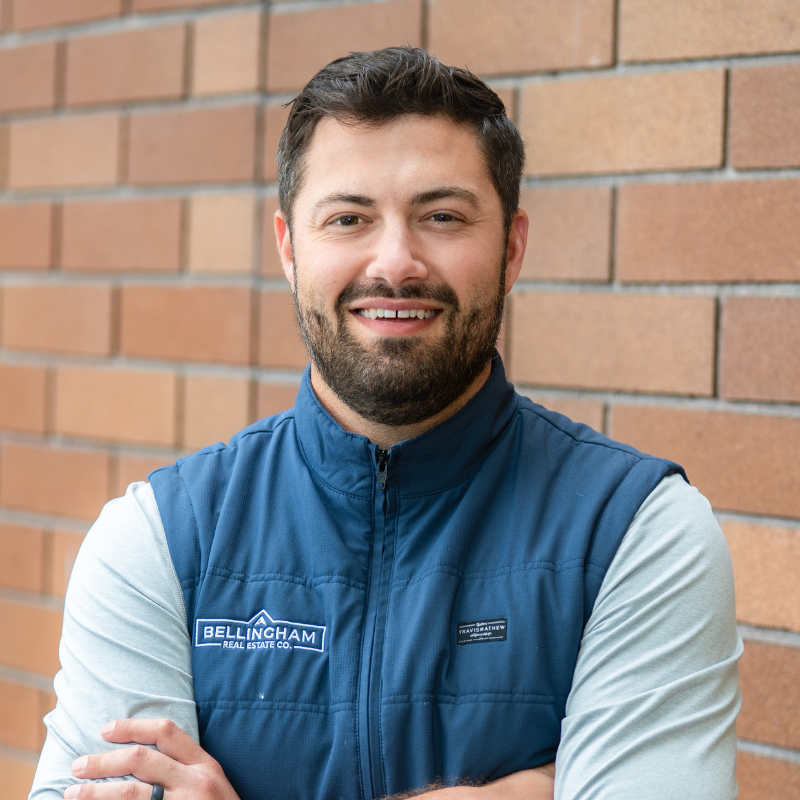
Leo Cohen
Designated Broker I Owner | Bellingham Real Estate Co.
or another way